


By Tye Beazer
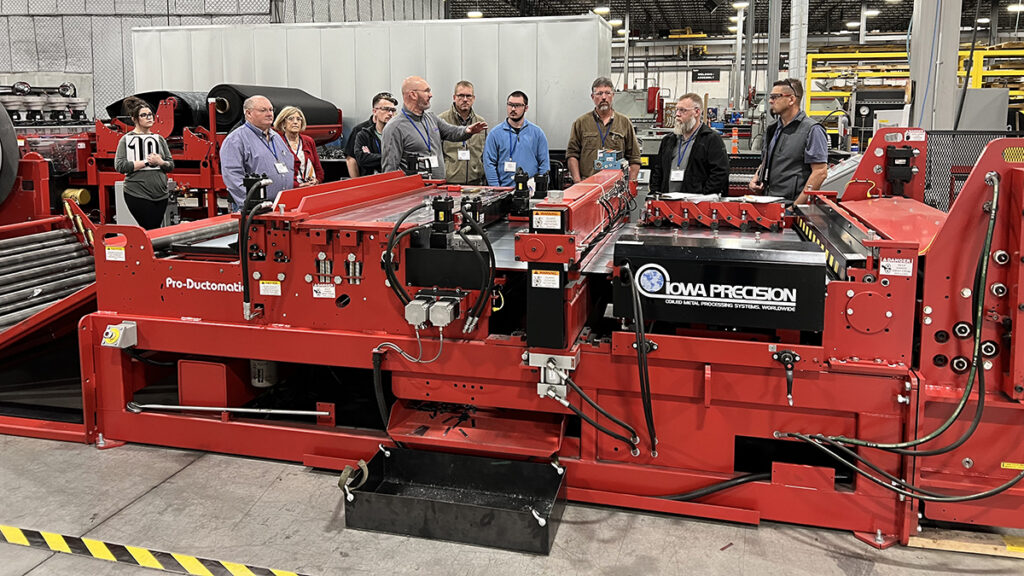
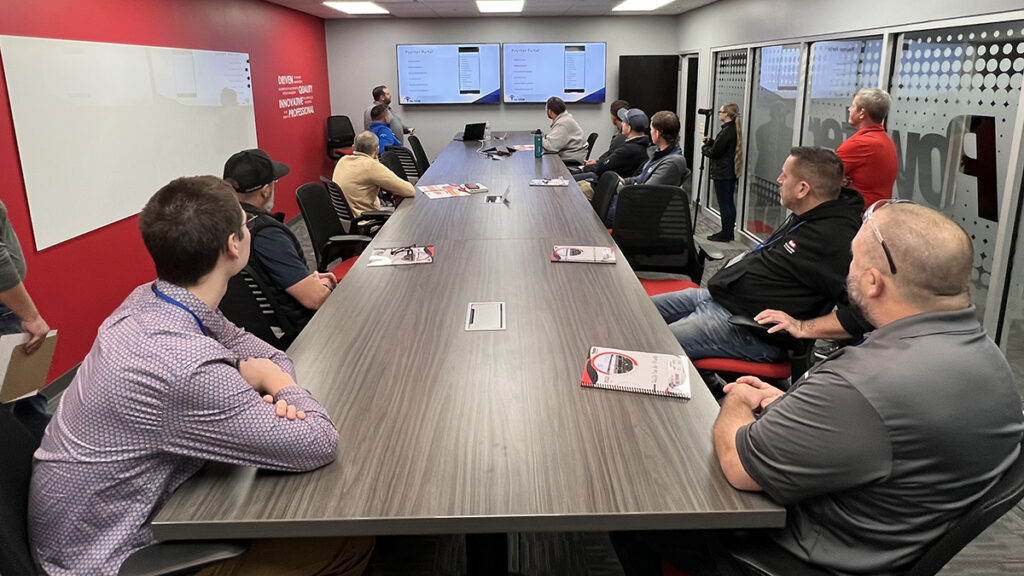
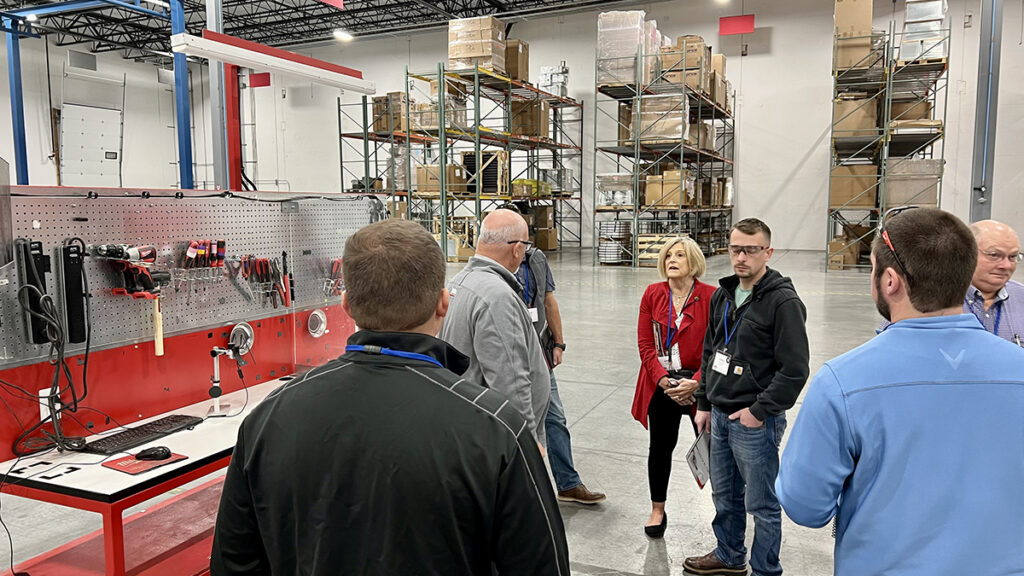
The 2026 SMACNA Fab Forum in Chicago brought together highly engaged fabrication leaders, operations managers, and technology partners across the country. Each focused on a common objective: improving shop efficiency, scalability, and data-driven decision making within the HVAC and sheet metal industry.
Across conversations, breakout sessions, and live demonstrations, one theme was consistent: shops are actively looking to move beyond disconnected workflows and toward more integrated, optimized operations.
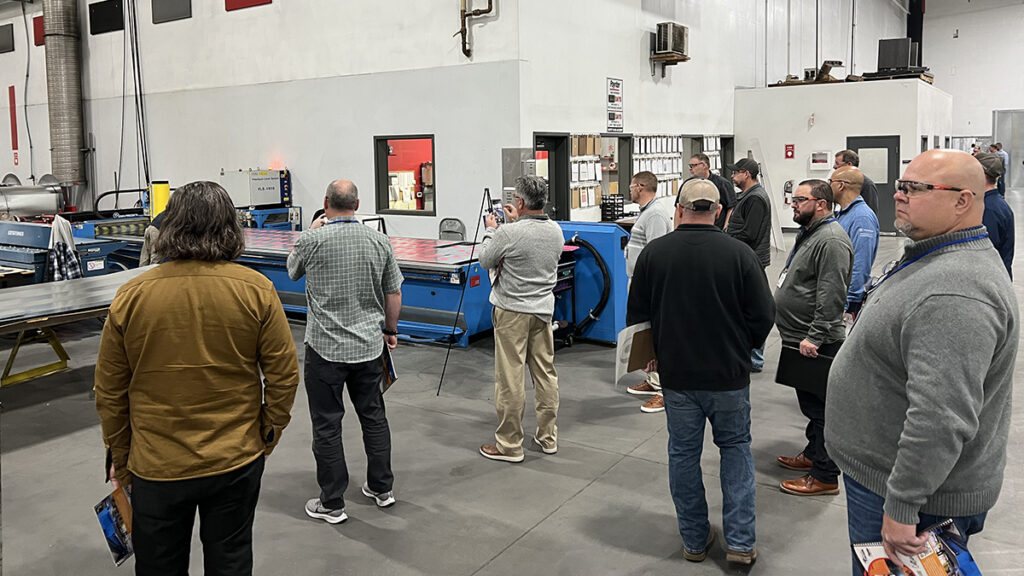
Optimizing Shop Processes & Technology
A major area of discussion centred on how leading contractors are rethinking their internal processes before layering in new technology. The most forward-thinking shops are standardizing workflows across estimating, detailing, fabrication, and field installation to eliminate redundancies and reduce manual handoffs. Technology is no longer being evaluated in isolation, but rather on how well it connects these stages into shops, teams, current systems, and equipment.
There was also a strong emphasis on reducing “double entry” and ensuring that data captured upstream (particularly during estimating and detailing) flows seamlessly downstream into fabrication and installation.
Customization for HVAC Fabrication Shops
Another key takeaway was the importance of tailoring systems specifically to HVAC workflows. Off-the-shelf solutions often fall short unless they can adapt to the realities of duct fabrication, pressure classes, fittings, and shop-specific standards.
Many attendees shared that success comes from aligning software with how their shop already operates, rather than forcing operational changes to fit rigid systems. This includes customizing item structures, labour tracking, and job costing to reflect real production conditions on the shop floor.
Implementation: Dos and Don’ts
Implementation strategy was a heavily discussed topic, especially among shops that have recently gone through system transitions.
What’s working well:
- Taking a phased approach rather than trying to overhaul everything at once
- Prioritizing high-impact areas first (e.g., time tracking, production visibility)
- Ensuring internal champions are involved early
- Budgeting for change management within the shop
Common pitfalls:
- Underestimating the importance of clean, structured data (ITMs, job codes, etc.)
- Treating implementation as a one-time event rather than an ongoing process
- Lack of proper training and patiences
A consistent message was that successful implementations are not just about software; they require alignment between people, processes, and technology.
Predictive Planning & Integrations
Forward-looking shops are increasingly focused on predictive planning, using real-time data to forecast labour needs, production capacity, and potential bottlenecks before they impact schedules.
Integrations play a critical role here. Whether it’s connecting estimating platforms, BIM tools, or accounting systems, the goal is to create a centralized data environment where information flows freely and supports better decision-making.
Shops that have invested in these integrations are seeing improved visibility across their operations, allowing them to be more proactive rather than reactive.
Feeding Fabrication Directly from BIM Models
One of the more advanced topics discussed was the direct use of BIM models to drive fabrication workflows. The idea of feeding tools and systems directly from coordinated models is gaining traction, particularly as detailing becomes more precise and standardized.
This approach reduces manual input, minimizes errors, and accelerates the transition from design to production. However, it also requires a high level of discipline in modelling standards and coordination between teams.
Final Thoughts
The 2026 SMACNA Fab Forum reinforced the notion that collectively, shops are investing in process optimization. They are leveraging integrated technologies and embracing data-driven planning to position themselves in a way to scale more efficiently and compete at a higher level.
Here at BuildCentrix, it was valuable to be part of these conversations and see firsthand how aligned the industry is around solving these challenges. The opportunity ahead lies in helping shops bridge the gap between where they are today and what fully optimized operations can look like.
If you have any questions about how to optimize your shop’s data or are curious about the best practices in our industry, please contact us through our website at Buildcentrix.com.
Looking forward to seeing everyone at the SMACNA Annual later this year.